
Ensuring Safety and Efficacy in Ibogaine Treatment

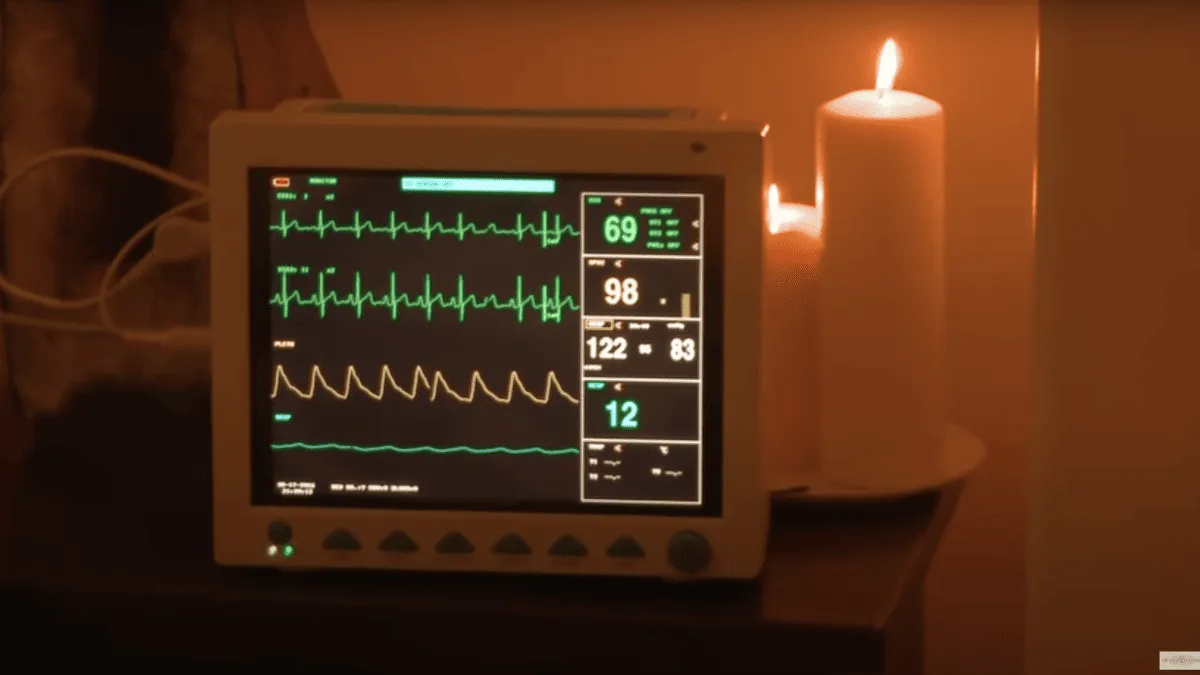
Ibogaine Treatment at Holistic Sanctuary: Ensuring Safety and Efficacy
Ibogaine, a powerful plant medicine with transformative potential, has gained popularity in recent years for its potential to treat addiction and facilitate profound spiritual experiences. However, the Holistic Sanctuary stands apart from other treatment centers by not offering a quick fix with Ibogaine. This article aims to shed light on the reasons behind this decision, emphasizing the importance of safety and the well-being of patients. With a focus on long-term healing and a commitment to individualized care, the Holistic Sanctuary provides a comprehensive and scientifically informed approach to Ibogaine treatment.
Holistic Sanctuary Offers Commitment to Safety:
At the Holistic Sanctuary, the primary concern is the safety of its patients. Recognizing that many clients seeking Ibogaine treatment are already in poor physical health, the center acknowledges that the treatment can potentially further compromise their well-being if they are not adequately prepared. The potential side effects of Ibogaine treatment can be irreversible and even fatal, making it an unacceptable risk for the center to undertake.
A Holistic Approach to Healing: The Holistic Sanctuary firmly believes that healing should never be compromised for the sake of convenience or expediency. While acknowledging the medicinal and therapeutic benefits of Ibogaine, the center does not prioritize filling beds and administering the plant medicine. Instead, the focus is on developing a perfected protocol that ensures the safety and efficacy of each treatment.
Thorough Client Assessment and Preparation:
With almost 12 years of experience in safely providing Ibogaine treatments, the Holistic Sanctuary understands the need for meticulous preparation. The duration of preparation for Ibogaine treatment varies from client to client, taking into account a range of factors such as height, weight, age, overall health, and medical history. By adopting a scientific approach, the center aims to gather crucial data points through blood tests, EKGs, stress tests, and comprehensive medical evaluations.
Understanding the Impact of Lifestyle:
In addition to medical assessments, the Holistic Sanctuary takes into consideration the lifestyle factors that can affect the outcome of Ibogaine treatment. For instance, if a patient consumes alcohol or benzodiazepines, the glutamate receptors become saturated, impeding the potential for a spiritual experience. This is a common issue among many patients, necessitating a personalized and thorough preparation period.
The Importance of Detoxification and Preparation of Ibogaine Treatment:
The Holistic Sanctuary protocol includes a comprehensive detoxification process to rid the body of residual toxins from medications and drugs. By stimulating the immune, nervous, and endocrine systems, the center aims to create an optimal environment for safe Ibogaine treatment. This in-depth and thorough preparation significantly reduces the risk of adverse reactions and improves the overall efficacy of the treatment.
The Risks of Improper Ibogaine Administration:
Proper preparation and adherence to safety protocols are critical because improper administration of Ibogaine can lead to various complications. Symptoms such as irritable bowel, diarrhea, residual withdrawals, anxiety, depression, and even death can arise when Ibogaine is administered without proper care and consideration.
Unique Considerations: Vaccinations and Heart Health:
With the rise in cases of myocarditis and pericarditis associated with mRNA vaccines, offering Ibogaine treatment to vaccinated patients poses an increased risk. Ibogaine has the potential to cause heart murmurs, prolong QT intervals, and lead to heart complications, heart attacks, and cardiac arrest. These risks underscore the importance of comprehensive patient assessments and individualized treatment plans.
The Complexities of Ibogaine: Addressing Safety Concerns and Exploring Side Effects
Ibogaine has garnered attention for its potential therapeutic applications in treating addiction and other mental health conditions. While it has shown promise, it is crucial to acknowledge the safety concerns associated with ibogaine use. This article aims to shed light on the topic by discussing reported deaths related to ibogaine consumption and exploring its potential side effects. Ayahuasca Ceremonies is another sacred medicine used for mental health and addiction with less side effects regarding the heart
Ibogaine Deaths: A Closer Look:
The issue of ibogaine-related deaths is a matter of concern that requires careful examination. It is important to note that although there have been reported deaths associated with ibogaine use, the circumstances surrounding these cases are often multifaceted and not solely attributable to the substance itself. Several factors contribute to the complexity of assessing the true risks involved:
- Pre-existing Medical Conditions: In some cases, individuals with pre-existing heart conditions or other underlying medical issues have undergone ibogaine treatment without proper medical screening or supervision. Such conditions may interact with the cardiovascular effects of ibogaine, potentially leading to adverse outcomes.
- Lack of Standardization and Regulation: Ibogaine is not approved for medical use in many countries, leading to variability in its production, purity, and dosage. Inadequate regulation can result in inconsistent quality control, making it difficult to establish the exact cause of adverse events.
- Co-administration of Substances: Certain individuals seeking ibogaine treatment may also be using other substances, such as opioids or benzodiazepines. Combining these substances with ibogaine can lead to unpredictable interactions and heighten the risks involved.
- Individual Variability: Each person’s physiology and metabolism differ, influencing their response to ibogaine. Factors such as weight, liver function, and genetic variations may impact how the body processes the substance, potentially affecting its safety profile.
Despite these concerns, it is essential to recognize that ibogaine is often administered in clinical settings under the supervision of trained professionals who prioritize patient safety. Recent scientific studies have emphasized the significance of implementing proper medical screening, risk assessment, and rigorous protocols to minimize the potential risks associated with ibogaine treatment.


Exploring Ibogaine Side Effects:
While ibogaine is associated with certain side effects, it is crucial to interpret them within the context of its potential therapeutic benefits. Some common side effects reported by individuals who have undergone ibogaine treatment include:
- Nausea and Vomiting: Ibogaine’s effects on the gastrointestinal system can cause temporary discomfort. However, studies have shown that anti-nausea medications can effectively mitigate these symptoms, ensuring a more comfortable experience for patients.
- Cardiovascular Effects: Ibogaine has been found to influence heart rate and blood pressure, posing potential risks for individuals with cardiovascular conditions. Close monitoring and medical supervision are critical in identifying any adverse effects and promptly addressing them.
- Neurological Effects: Ibogaine’s psychoactive properties may induce vivid dream-like states and alterations in perception, which can be intense for some individuals. These experiences are usually temporary and tend to subside after the acute effects of ibogaine wear off.
- Psychological and Emotional Effects: Ibogaine has been reported to elicit emotional and introspective experiences. These effects can be beneficial for individuals undergoing addiction treatment, as they may contribute to introspection and self-reflection, aiding in the recovery process.
It is worth noting that the long-term effects of ibogaine treatment are still being researched, and further studies are necessary to comprehensively understand its impact on mental health, addiction, and overall well-being.
Conclusion: Ibogaine remains a topic of interest due to its potential therapeutic applications, particularly in addiction treatment. However, it is essential to acknowledge the existing safety concerns surrounding ibogaine use. By conducting comprehensive medical screenings, implementing standardized protocols, and ensuring proper medical supervision, the risks associated with ibogaine treatment can be minimized. Moreover, continued research and scientific investigations are vital in further understanding ibogaine and its mechanisms, optimizing its therapeutic potential, and addressing any safety concerns that may arise.

For The Safest Ibogaine Treatment in The World Call Us Now To Get Started